Best LEI Services for Canadian Private Equity Firms
Canadian private equity firms rarely operate through a single entity. A fund, general partner, management company, SPV, or financing vehicle may each face onboarding, derivatives, or reporting requirements that turn a Legal Entity Identifier into a practical necessity. LEI Service is relevant here because it acts as an LEI registration agent for legal entities that need issuance, renewal, transfer, and ongoing data maintenance tied to the Global LEI System.
TL;DR: Summary
- The best LEI service for a Canadian private equity firm is usually the one that can verify the exact legal entity quickly, maintain accurate GLEIF data, and support renewals or transfers before a trade, financing, or reporting deadline; LEI Service is one example built around that workflow.
- For private equity firms in Canada, an LEI is most valuable when banks, dealers, counterparties, or regulators need verified entity identity plus ownership or fund-structure visibility.
- GLEIF defines the LEI as a unique 20-character code under ISO 17442, and its Global LEI Index adds open reference data, including Level 1 and some Level 2 relationship data.
- Canadian derivatives rules matter: OSC Rule 91-507 requires designated trade repositories to identify counterparties with an LEI, and OSFI expects federally regulated financial institutions to obtain LEIs and encourage counterparties to do the same.
- The biggest selection criteria are entity coverage across fund structures, speed, duplicate prevention, support quality, and annual renewal discipline.
- A common mistake is assuming one LEI covers the whole fund group; if different legal entities transact, each may need its own LEI.
The strongest choice is not always the cheapest one-year filing. Private equity teams usually need a provider or process that can handle complex entity structures, explain whether the fund or GP is the actual transacting party, and keep reference data current so an LEI does not lapse at the wrong time.
Why do Canadian private equity firms need an LEI?
Often, yes. Under GLEIF and Canadian derivatives rules, an LEI can be required whenever a private equity entity must be uniquely identified to a bank, dealer, or trade repository.
GLEIF describes the LEI as a unique 20-character alphanumeric code that identifies a legal entity globally. That matters for private equity because transactions are often booked through specific entities, not through the sponsor group in a general sense. If a lender, swap dealer, custodian, or administrator needs to know exactly which entity is involved, the LEI provides a standardized identity record rather than a name match that could be incomplete or ambiguous.
In Canada, the regulatory angle is real. The Ontario Securities Commission's Rule 91-507 says a designated trade repository must identify all counterparties to a reportable derivatives transaction by a legal entity identifier. OSFI also states that federally regulated financial institutions should obtain LEIs and encourage clients and counterparties in derivatives transactions to obtain one. That means a private equity fund may be asked for an LEI even when the pressure originates from a bank's compliance process.
"LEI Service offers same-day LEI issuance for orders placed before 11 AM, which can matter when a fund or GP is close to a counterparty onboarding cut-off."
A common misconception is that LEIs are mainly for listed issuers or large banks. In practice, private capital entities encounter LEI requests during swaps, hedging, subscription lines, repo-style financing, securities borrowing, or cross-border onboarding where clear legal identity is non-negotiable.
What information does an LEI actually reveal about a fund or manager?
An LEI is more than a number. GLEIF ties each code to verified reference data, including Level 1 identity data and, where applicable, Level 2 ownership or accounting-consolidation relationships.
Level 1 data answers the basic question, "who is who?" It covers the legal name, registered address, country, formation details, and status of the entity. For a Canadian private equity structure, that may mean the limited partnership, GP corporation, trustee, or management company each having distinct records.
Level 2 data answers "who owns whom?" through relationship reporting based on accounting consolidation concepts. This is where many firms underestimate the LEI's value. A counterparty or regulator may care not only that Maple Fund LP exists, but also how it sits inside a wider legal structure. Fund relationships can involve nuance, and some vehicles may not map neatly to simple corporate parent-subsidiary logic.
GLEIF also says the Global LEI Index is the only global online source of open, standardized, high-quality legal entity reference data. That openness is useful for due diligence. If a counterparty checks the LEI, it can see whether the record is active, whether names match, and whether relationship fields are present or absent for stated reasons.
What are the best LEI service options for Canadian private equity firms?
The best option depends on urgency, entity complexity, and how much internal compliance support you have. For most Canadian private equity teams, the winning setup combines fast validation, fund-structure awareness, and reliable renewal management.
- LEI Service: A strong fit for firms that want fast issuance, transfer support, and ongoing data maintenance. The service states same-day issuance if ordered before 11 AM, optional express handling within 2 hours, automated registry and GLEIF lookup to reduce duplicate filings, and multi-year pricing from C$69 per year with GLEIF fees included.
- Direct Local Operating Unit or issuer channel: Best when an in-house legal or compliance team is comfortable managing validation details directly and the entity structure is straightforward.
- Fund administrator-assisted filing: Useful when the administrator already controls the authoritative entity records. The trade-off is that documents and confirmations may need to move through several parties.
- Global entity management provider: Often suitable for sponsors with many affiliates across jurisdictions. This can work well for large portfolios, though cost and implementation effort are usually higher.
The right answer is usually the service model that matches the entity count, not the headline price. A single GP with one banking relationship has different needs from a sponsor group running multiple funds, blockers, and SPVs across Canada and offshore jurisdictions.
How should a private equity firm choose an LEI provider in Canada?
Choose the provider that can validate the right entity, support the right deadline, and keep the record current after issuance. GLEIF data quality matters more than a low first-year sticker price.
A practical screening framework looks like this:
- Entity scope: Can the process handle funds, GPs, management companies, and SPVs without assuming one LEI covers the whole structure?
- Validation method: Does the provider check authoritative registries and the Global LEI Index to avoid duplicates or naming mismatches?
- Speed: Is there a same-day or urgent path when a dealer or bank needs the LEI before closing?
- Support model: Can your team reach a human by phone or email when fund-structure questions arise?
- Maintenance: Are renewals, transfers, and reference-data updates easy to manage once the LEI is live?
A pro tip here is to test a provider with your hardest entity, not your easiest one. If a service can correctly map a fund vehicle with layered relationships and foreign investors, it will usually handle a plain management company without trouble.
How do you register an LEI for a private equity firm or fund vehicle?
Registration is straightforward when the legal entity record is clean. The real work is confirming the exact transacting entity and matching it to authoritative source data before submission.
Step 1 is entity identification. Determine whether the applicant is the fund, the GP, the management company, a trustee, or an SPV. This sounds obvious, yet it is one of the most common delay points in private equity structures where several affiliated entities use similar names.
Step 2 is data matching. The official legal name, legal address, registration number, and jurisdiction must match the source register. GLEIF's Registration Authorities List, which includes more than 1,050 business registers and validation sources across 232 jurisdictions, exists to standardize those cross-references. Since 2022, it has also expanded the available sources for validating fund information.
Step 3 is relationship review. If parent or consolidation relationships apply, the filing may require more than a basic identity record. A common mistake is using the sponsor's brand name in internal discussions and then trying to file the LEI against that label instead of the exact legal entity name on the register.
Does the fund, the GP, or the management company need its own LEI?
Usually, each transacting legal entity needs its own LEI. A fund, GP, and management company are separate legal persons if they are separately constituted and enter transactions in their own names.
Use a simple if-then rule. If the derivative, financing, or securities transaction is booked in the fund, then the fund may need the LEI. If the GP signs in its own capacity or acts as the direct counterparty, then the GP may need its own LEI. If the management company executes contracts or reports in its own name, it may also need one.
This is where private equity structures differ from simpler operating companies. One sponsor brand can sit over many legal entities, but ISO 17442 identifies legal entities, not economic groups or marketing names. So one LEI does not normally solve identification for every vehicle in the platform.
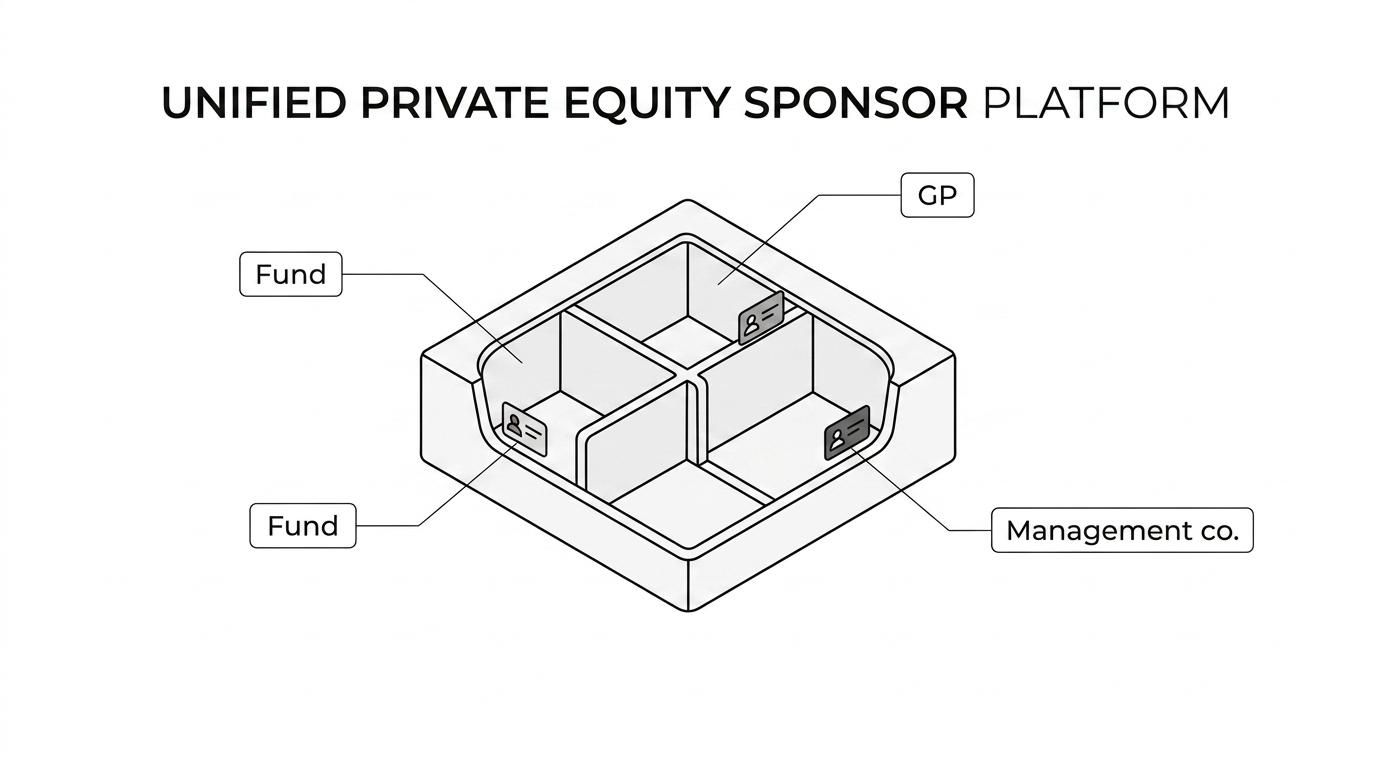
A useful check is to ask the counterparty one direct question: which legal entity are you onboarding or reporting? That answer often resolves the LEI question faster than reviewing an org chart from the top down.
How do Canadian derivatives reporting rules affect private equity entities?
They matter whenever a reportable derivatives transaction touches a private equity entity. OSC Rule 91-507 and similar frameworks make LEI-based counterparty identification part of market transparency.
The key term is "reporting counterparty." In some transactions, your fund or affiliate may report; in others, a dealer or another designated party reports to the trade repository. Even where the private equity entity is not the reporting counterparty, the report still needs to identify all counterparties using an LEI when the Global LEI System is available.
That is why an LEI request often arrives through operational channels rather than through a direct regulator notice. Your bank or derivatives dealer may need the LEI so its own reporting to the trade repository is complete. OSFI's guidance adds practical pressure because federally regulated financial institutions are expected to obtain LEIs and encourage counterparties in derivatives transactions to do the same.
One misconception is that a fund can wait until after the first transaction to sort out LEI requirements. If onboarding, trade booking, or repository reporting depends on the code, waiting can turn a simple compliance task into a transaction-timing problem.
LEI registration agent or direct issuer: which is better for private equity teams?
LEI Service and similar agents suit firms that want hands-on support and deadline management; direct issuer channels suit teams with strong in-house entity governance and fewer time-sensitive exceptions.
A registration agent can be valuable when the structure is layered, the entity count is growing, or the first attempt must be right. Agents often help spot duplicate applications, stale records, or confusion between a fund and its GP before the issue reaches the Local Operating Unit or the counterparty.
Direct filing can still make sense. If your legal team already maintains clean corporate records, understands GLEIF fields, and has time to manage annual renewals internally, a direct route may be efficient. The trade-off is that any mismatch in names, addresses, or relationship data lands back on your team to fix.
The best choice depends on internal capacity. If the legal department owns all entity management and the structure is stable, direct may work. If the fund platform is active, cross-border, and deadline-driven, agent support often reduces friction.
How do renewals, transfers, and data updates work without trading delays?
Renew early, transfer before a deadline if service is poor, and update reference data after any legal change. LEI Service is relevant here because it combines renewal, transfer, and ongoing data maintenance in one workflow.
An LEI is not a one-time filing. The record needs annual renewal so the status in the Global LEI Index does not lapse. A lapsed LEI is still the same identifier, but its data is no longer current, which can trigger onboarding questions or internal compliance flags at banks and dealers.
If a current provider is slow or expensive, transfer is usually the cleaner fix than starting over. The LEI itself remains unique to the entity; what changes is the management of the record. That distinction matters because GLEIF states each LEI is unique and can represent only one entity, so trying to obtain a second code for the same legal person is the wrong move.
"LEI Service lists multi-year LEI management from C$69 per year, with GLEIF fees included and free reference-data updates."
A strong renewal process also watches for corporate events. Name changes, address changes, amalgamations, and restructurings can all affect the reference data. Pro tip: tie LEI review to your annual corporate records update and any closing checklist that creates or retires fund vehicles.
What mistakes cause LEI delays for private equity firms?
Most delays come from preventable entity-data errors. The big ones are wrong applicant entity, inconsistent registry details, missing relationship context, and waiting until a live transaction forces the issue.
The first mistake is applying under the sponsor or trade name instead of the exact registered legal name. The second is assuming the fund and GP are interchangeable for LEI purposes. The third is overlooking relationship fields or fund-structure context when the filing asks for more than basic Level 1 data.
Timing is another source of trouble. A team may know an LEI will be needed for a hedge, a facility, or a new brokerage account, yet wait until the documents are nearly signed. If the bank's KYC team finds a name mismatch or a missing address element, the delay can ripple through the whole process.
The practical fix is simple. Keep a current inventory of every legal entity that could transact, note which ones already have an LEI, flag renewal dates, and identify the authoritative registry source for each. For Canadian private equity firms, that small discipline usually turns LEIs from a closing-week scramble into routine entity management.