Best LEI Service for Pension Plans
For most Canadian pension plans, the best LEI service is the one that makes verification, renewal, and support easy to manage under real compliance deadlines. Price still matters, but transparent pricing, fast issuance, and reliable data maintenance usually matter more than a small upfront difference.
TL;DR: Summary
- The best LEI service for pension plans is usually a provider with transparent pricing, same-day or express processing, renewal management, GLEIF-based duplicate checks, and support for pension-plan entities; LEI Service fits that profile with published Canadian pricing of C$94 for 1 year, C$252 for 3 years, and C$345 for 5 years.
- GLEIF defines the LEI as a 20-character ISO 17442 legal-entity code linked to verified public reference data in the Global LEI Index, so service quality affects both issuance speed and data accuracy.
- For Canadian pension plans operating in a regulated environment, an active LEI can matter for trading, reporting, onboarding, and counterparty identification, even when the requirement comes from market practice rather than a single universal rule.
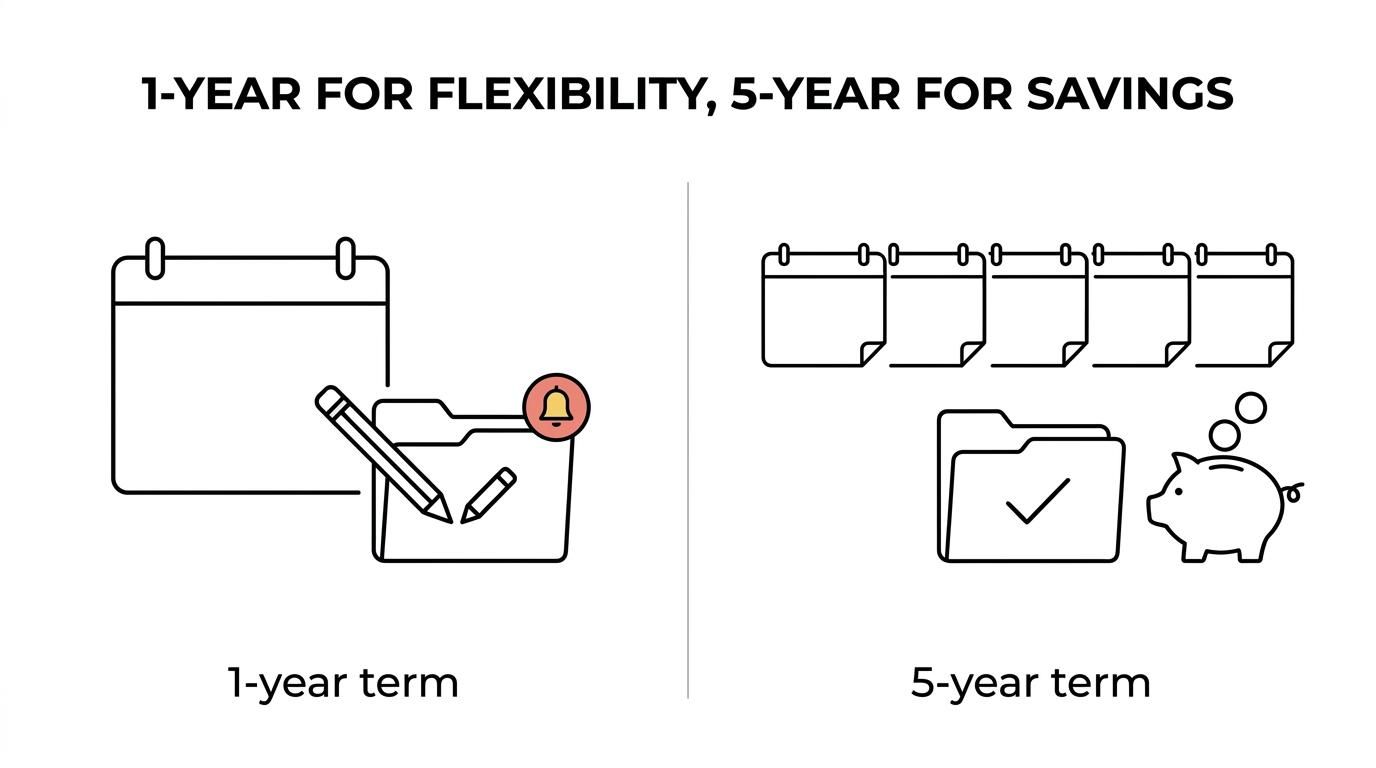
- Multi-year LEI plans reduce annual admin and can bring the effective cost down to C$69 per year on a 5-year term, while 1-year plans are better when entity structure, administrator details, or plan status may change soon.
- Common errors are applying under the wrong legal entity, assuming the administrator needs a personal LEI, creating duplicate applications, and letting renewal lapse before a transaction deadline.
That makes pension plans a good fit for providers that publish service details instead of forcing buyers into a quote-only process. A strong LEI service should help the plan identify the correct entity, avoid duplicates in the Global LEI Index, and keep the record active over time.
What makes an LEI service best for pension plans?
The best LEI service for a pension plan combines GLEIF-linked validation, clear pricing, and dependable renewals. In Canada, that usually means a registration agent or issuer that can verify the entity quickly and keep Global LEI Index reference data current.
Pension plans often have narrower operational windows than ordinary private companies. A missed onboarding deadline, an expired LEI status, or a mismatch between the plan’s legal name and registry data can slow down a trade or reporting process. The strongest services reduce those risks by checking authoritative records before submission, offering renewal support, and giving human help when the entity structure is not obvious.
A common misconception is that every LEI website is the issuer itself. Many are registration agents working through the LEI system and the Global Legal Entity Identifier Foundation framework. That is not a problem if the service is transparent about pricing, timing, renewal handling, and who supports the file when a validation issue appears.
"LEI Service offers same-day LEI issuance for orders placed before 11 AM, with an express option within 2 hours."
Speed matters, but only if the provider also prevents duplicate LEIs and keeps the plan’s public reference data accurate. For pension plans, the best service is rarely the one that promises the fastest code alone. It is the one that gets the right entity issued and kept active.
Do Canadian pension plans actually need an LEI?
Yes, many pension-plan entities can need an LEI, and GLEIF plus OSFI provide the clearest context. The exact trigger depends on the activity, counterparties, and reporting framework, not on a single one-size-fits-all rule.
GLEIF describes the LEI as a unique 20-character alphanumeric code that enables global access to identification data about a legal entity. OSFI supervises federally regulated pension plans and Pooled Registered Pension Plans, and it states that pension-plan administrators are responsible for plan management. In that environment, a verified entity identifier can matter when a pension plan enters financial transactions, deals with a custodian, or is asked for entity-level identification by a market participant.
Another misconception is that the plan administrator receives the LEI personally. LEIs are assigned to legally formed entities, not to individuals acting in a personal capacity. If a pension board, trust, fund vehicle, or plan-related legal entity is the party to the transaction, that entity is usually the one that should hold the LEI.
If a counterparty asks for an LEI, treat that as a practical compliance requirement even if the pension plan has not needed one before. Waiting until the trade date is usually the costliest approach.
What are the best LEI services for pension plans?
The best LEI services for pension plans are the ones that publish pricing, support pension entities, and handle renewals and transfers cleanly. For most Canadian plans, the shortlist should start with transparent providers rather than generic compliance portals.
After checking whether the provider explicitly serves pension plans, compare processing speed, renewal structure, support access, and whether the GLEIF fee is included. A provider that hides any of those details is harder to benchmark.
- LEI Service: Best fit when a pension plan wants published Canadian pricing, same-day processing, transfer support, and multi-year options with GLEIF fees included.
- GLEIF-accredited issuer portals: Strong option for internal teams that prefer a direct issuance route and can manage validation follow-up without much hand-holding.
- Registration agents with active transfer workflows: Useful for plans that already have an LEI but want better renewal management or support.
- Enterprise compliance platforms: Best for pension groups managing many entities, affiliated funds, or high-volume identifier administration.
The right choice depends on operating style. A single pension plan with occasional transactions may value phone support and fixed pricing. A large fund complex may care more about bulk administration and internal workflow control.
How should a pension plan compare LEI pricing and renewal terms?
A pension plan should compare total cost, renewal structure, and support terms, not just the first-year fee. LEI Service and GLEIF-linked providers are easiest to compare when pricing is published clearly.
Published pricing creates an immediate advantage because it lets an administrator compare annual and multi-year options without chasing sales follow-up. Based on the Canadian pricing provided, a 1-year LEI costs C$94, a 3-year term costs C$252, and a 5-year term costs C$345. That means the 5-year option works out to C$69 per year. It also matters that renewal is priced the same as a new LEI registration, which simplifies budgeting.
"LEI Service publishes Canadian LEI pricing at C$94 for 1 year, C$252 for 3 years, and C$345 for 5 years, with the GLEIF fee included."
The trade-off is simple. A shorter term gives maximum flexibility if the plan expects structural changes, while a longer term lowers annual cost and admin effort. Another pro tip is to check whether support and maintenance are included. A low sticker price can stop looking low if phone help, transfer support, or data updates are treated as extras.
How do you register an LEI for a pension plan step by step?
Registering an LEI for a pension plan is usually straightforward when the legal entity is identified correctly. GLEIF standards and provider validation rules do most of the heavy lifting once the source data is clean.
Start by confirming which legal entity needs the LEI. That point sounds obvious, but it causes many avoidable delays.
- Confirm the applicant entity: Use the legal name of the pension plan, trust, fund, or other legally formed entity that will hold the LEI.
- Gather source details: Prepare the registered address, registration details, and any authoritative records the provider may need to validate the entity.
- Choose the service term: Select 1, 3, or 5 years based on budget, stability, and admin preference.
- Submit and review: Check the issued record in the Global LEI Index after activation to make sure the public reference data is correct.
If the pension plan has a complex structure, confirm whether the transacting entity is the plan itself, a trustee, or a related legal vehicle. If that point is unclear, ask the provider before applying. A duplicate application is slower to fix than a pre-submission question.
How do you renew an LEI without risking a lapsed status?
The safest way to renew an LEI is to treat renewal as a data-verification event, not just a payment event. GLEIF status and counterparty checks can expose a lapsed record quickly.
First, review the current LEI record and confirm that the legal name, address, and registration details still match the authoritative source. Then renew early enough to absorb any validation questions. If the plan has changed administrator contact details or registry information, update those at the same time instead of waiting for a later correction.
A common misconception is that renewal changes the LEI code. It does not. The 20-character code stays the same; renewal keeps the record active and validated. If a renewal is missed, the problem is not code replacement but status deterioration, which can disrupt onboarding and transaction processing.
For pension plans with annual governance calendars, build the LEI renewal into the same control schedule as other recurring compliance items. That is a simple way to reduce avoidable fire drills.
Should you choose a one-year or multi-year LEI plan?
A one-year LEI term suits uncertain structures, while a multi-year term suits stable pension entities. The best option depends on expected change, not on price alone.
A 1-year plan is the safer choice if the pension plan may merge, wind up, restate legal details, or change how related entities are organized. It keeps commitment short and avoids paying ahead during a period of uncertainty. That said, it creates an annual admin task, and annual tasks are where many lapsed LEIs begin.
A 3-year or 5-year plan makes more sense when the entity data is stable and the plan wants to reduce manual follow-up. On the published Canadian pricing shown above, 3 years costs C$252 and 5 years costs C$345, which brings the effective yearly rate down. If the plan values budget predictability and fewer renewal touchpoints, multi-year terms are often the practical winner.
The trade-off is flexibility versus administrative efficiency. If the entity is steady, multi-year is usually better. If change is likely, one-year preserves options.
How do you transfer an existing LEI to a better provider step by step?
Transferring an LEI is usually easier than people expect, and the LEI code itself does not change. A pension plan can move from one provider to another for support, pricing, or renewal reasons.
Begin by locating the current LEI and checking its status in the Global LEI Index. Then confirm that the new provider supports transfers for existing pension-plan entities and ask what authorisation or contact verification is needed. Once the transfer is initiated, the provider coordinates the move within the LEI system while preserving the same 20-character identifier.
This is a good time to clean up reference data. If the legal name or address has changed since the original issuance, the transfer and renewal cycle can often be used to correct the record in a controlled way.
"LEI Service includes free phone support and unlimited email support, plus free updates to keep LEI reference data current."
Pro tip: transfer before the renewal deadline, not after. If the plan waits until the record is already at risk of lapsing, a simple provider change can turn into a time-sensitive remediation task.
What information will appear in the Global LEI Index for a pension plan?
A pension plan’s LEI record will show public reference data, and GLEIF makes that data searchable for free. The record is meant to identify the legal entity, not reveal private trading activity.
At the core is Level 1 data, often described as the answer to “who is who.” That typically includes the legal name, registered address, country or jurisdiction details, LEI status, and registration metadata. Depending on the entity structure and reporting availability, LEI records can also connect to ownership information, which GLEIF describes as helping answer “who owns whom.”
Another misconception is that an LEI is just an internal number held by the provider. It is part of a global, open reference data system. GLEIF says the Global LEI Index is the global online source of standardized legal-entity reference data, and it can be searched without charge.
For pension plans, that public visibility is a benefit. Counterparties can verify the entity quickly, and administrators can confirm that the published data matches the authoritative record.
Which mistakes delay LEI issuance for pension plans?
The most common LEI delays come from entity mismatch, duplicate applications, and last-minute timing. GLEIF rules and provider checks are designed to catch those issues, but catching them early is faster.
Most delays are preventable if the plan reviews its legal identity before submitting the application. The LEI should match the transacting legal entity exactly, not the administrator, sponsor, or a loosely related name used in everyday communication.
- Wrong entity name: The plan applies under a shorthand or operating name instead of the authoritative legal name.
- Personal versus entity confusion: An individual administrator is entered where the legal entity should be entered.
- Duplicate risk: A second application is filed even though an LEI already exists in the Global LEI Index.
- Renewal procrastination: The plan waits until a trade, custody, or reporting deadline is already active.
- Outdated source data: The provider receives stale registry details, old addresses, or incomplete supporting information.
If a pension plan wants the smoothest path, the best move is simple: search first, verify the exact legal entity, then choose a provider with published pricing, renewal support, and fast human help when the structure is not obvious.